
Winner · Nursing Subject Award 2026
Sarah Szanton
“Aging Gracefully in Place: An Evaluation of the Capability of the CAPABLE© Approach”
The finalists
Ten universities. Ten projects. Ten academics.
Todd R. Golub
Copper induces cell death by targeting lipoylated TCA cycle proteins
Copper keeps every living cell working, and yet above a certain level it becomes lethal. Working in human cells, this study showed that copper-driven cell death is a distinct, regulated process that depends on mitochondrial respiration: copper binds directly to lipoylated components of the tricarboxylic acid cycle, making those proteins aggregate, stripping out iron-sulfur cluster proteins and creating the protein stress that finally kills the cell.
Mohammed Abdo Yahya
Working in rats made diabetic with streptozotocin, the team tested whether ellagic acid, a plant compound used in traditional medicine for high blood lipids, eases fatty liver disease by acting through the cellular energy sensor AMPK. Treated animals showed lower fasting glucose, higher insulin, far less fat accumulating in the liver and reduced markers of oxidative stress and inflammation, effects the study attributes to AMPK activation.
Sarah Szanton
Aging Gracefully in Place: An Evaluation of the Capability of the CAPABLE© Approach
Professor Szanton is Dean of the Johns Hopkins School of Nursing and creator of the CAPABLE programme combining nursing, occupational therapy and home repair for older adults. Her 2021 Journal of Applied Gerontology evaluation with the National Center for Healthy Housing showed the approach improved older people's ability to age safely at home.
Clive Osmond
Drawing on national surveys and birth cohort studies across low- and middle-income countries, the work examines how poverty in the earliest years shapes children's health and their human capital into adolescence. Its subject is the long reach of early disadvantage, assembled across many countries rather than one, which speaks directly to how societies choose to invest in the first years of life.
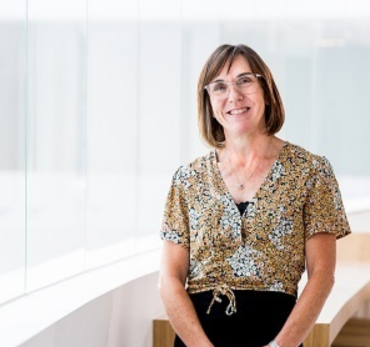
Meinir Krishnasamy
Professor Krishnasamy is Professor of Nursing at the University of Melbourne and an internationally recognised cancer nurse researcher. Her 2024 Supportive Care in Cancer study with Peter MacCallum Cancer Centre colleagues tested the Nursing Equity Assessment Tool, helping nurses identify disadvantage in newly diagnosed cancer patients and advance equitable cancer care.
Karin Leander
Rather than relying on what people say they eat, this work measured pentadecanoic acid in blood as an objective marker of dairy fat intake, following 4,150 Swedish adults for a median of 16.6 years and then reviewing comparable studies worldwide. Higher levels were associated with lower risk of cardiovascular disease in a linear dose-response pattern, offering a steadier read on a much-argued part of the diet.
Stephen G. Withers
Carbohydrate-active enzymes (CAZymes) in the gut microbiome
Within the gut microbiome, carbohydrate-active enzymes, known as CAZymes, are the tools microbes use to process carbohydrates. Published in Nature Reviews Microbiology, the work reviews these enzymes in the gut setting, drawing together what is known about their place in the microbial community that shares our digestive tract.

Edith Feskens
Professor Feskens holds the chair in Global Nutrition at Wageningen University and Research and serves as Dean of Research, studying malnutrition in low and middle income countries. Her 2023 Frontiers in Nutrition paper with twelve co-authors across institutions proposes a theory of change framework for monitoring large scale food fortification programmes.
John M. Colford
How much illness can be traced to unsafe drinking water, poor sanitation and lack of hygiene in the home? Taking the service levels used to track the UN Sustainable Development Goals as the comparison point, the study estimates the 2019 global burden of diarrhoea, acute respiratory infections, undernutrition and soil-transmitted worm infections attributable to these conditions, broken down by region, age and sex.
David A. Hafler
Sodium perturbs mitochondrial respiration and induces dysfunctional Tregs
Regulatory T cells are the immune system's brake, and this work reports that sodium disturbs their mitochondrial respiration and leaves them dysfunctional. Because sodium intake varies so widely between diets and environments, the question the study opens matters for how we understand inflammation and autoimmune disease, and for the everyday choices that sit behind them.
Exclusive to partners
The 2026 Subject Awards have been decided.
Partners verify their data and feature their academics. Finalists were identified from open data; winners were decided by our editorial team and announced on 15 September 2026.
Explore partnership →The wider slate
The wider slate: more candidate partnerships behind the finalists.
Intravenous Vitamin C in Adults with Sepsis in the Intensive Care Unit
Intravenous Vitamin C in Adults with Sepsis in the Intensive Care Unit
Effect of Salt Substitution on Cardiovascular Events and Death
A druggable copper-signalling pathway that drives inflammation
Improving lung health in low-income and middle-income countries: from challenges to solutions
Improving lung health in low-income and middle-income countries: from challenges to solutions
Intravenous Vitamin C in Adults with Sepsis in the Intensive Care Unit
High-amylose starch: Structure, functionality and applications
ESPEN practical and partially revised guideline: Clinical nutrition in the intensive care unit
Nutritional support for successful weaning in patients undergoing prolonged mechanical ventilation
Intake and Sources of Dietary Fiber, Inflammation, and Cardiovascular Disease in Older US Adults
Intravenous Vitamin C in Adults with Sepsis in the Intensive Care Unit